Know your Flow…
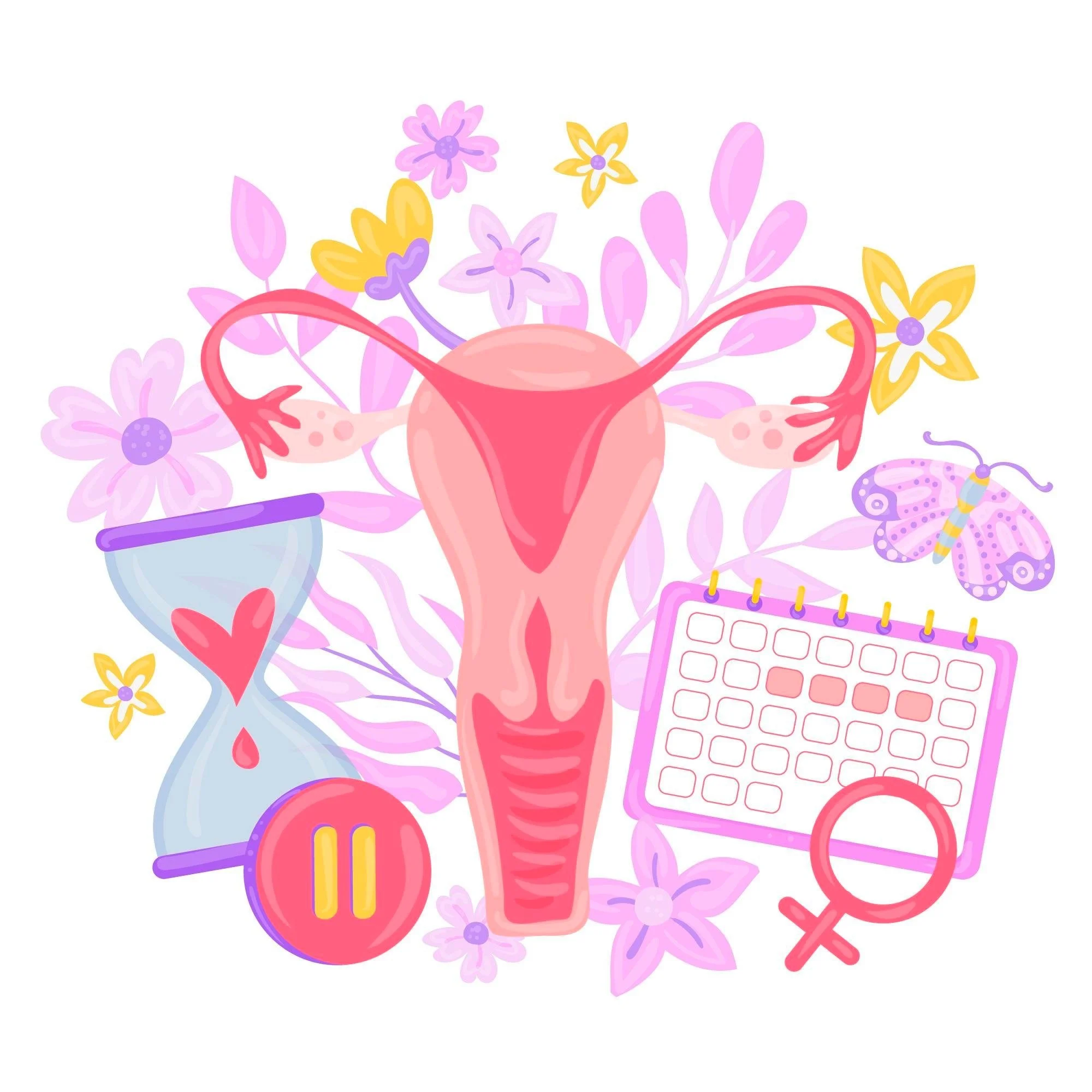
WhAT DOES YOUR PERIOD actually LOOK LIKE?
Does it show up pretty regularly each month? Or is your cycle shorter than 25 days, longer than 35 — or maybe not showing up at all?
Is it heavy? Is it painful? Maybe it's both heavy and painful 😣.
Do your breasts feel tender and sore before it arrives? Are you feeling moody, miserable, or breaking out in spots right before it starts?
Do you actually know whether you're ovulating every month? Because ovulation is the real star of the show when it comes to period health - more on that in a moment.
Maybe you've recently come off the pill, or you're thinking about it. Whatever your situation, there's never been a better time to get to know your flow.
So WHY does it matter?
Here's the thing - your period is so much more than a monthly inconvenience. It's actually one of the best windows into not just your hormonal health, but your overall health and wellbeing too.
Think of your cycle like your body's own built-in GPS. It's constantly giving you information, nudging you to pay attention when something's not quite right. You know your body better than anyone, and when you start tracking and understanding your cycle, you become your own detective - and the story it tells can reveal so much more than you'd expect.
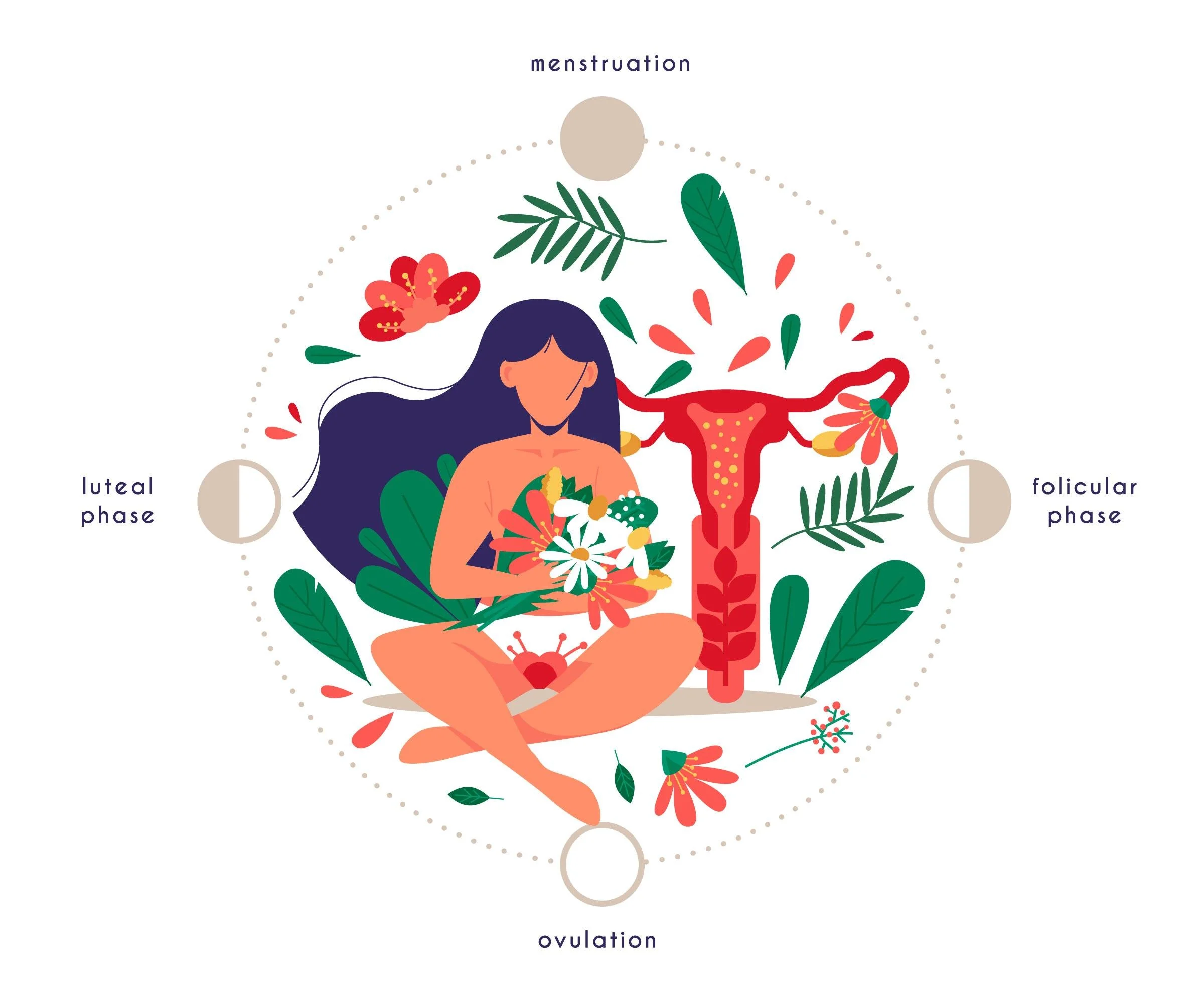
WHAT does A healthy SMOOTH flow look like?
Follicular phase (7-21 days)
Your flow is a long game. It takes about 3 months for your follicles - tiny sacs in your ovaries that contain your eggs - to fully mature, which means the journey towards ovulation actually begins months before your period ever arrives. Things like nutrition and stress during this time can affect not just how those follicles develop, but egg quality too.
As your follicles get closer to ovulation, your pituitary gland starts releasing FSH - a hormone that encourages them to grow and mature. FSH also triggers the follicles to produce oestrogen, which starts building and thickening the uterine lining in preparation for a potential pregnancy. The thicker that lining grows, the heavier your period will be if conception doesn't happen.
Ovulation (between days 10-20)
As the follicular phase wraps up, one lucky follicle (occasionally two) crosses the finish line. It swells, gets triggered by a surge of LH (luteinising hormone), and releases the egg. It's an all-or-nothing moment, you either ovulate or you don't. That egg is then swept up by one of the fallopian tubes, where it can be fertilised if sperm are present. All the other follicles that didn't make it are quietly reabsorbed by the ovaries.
Ovulation is the real secret to period health. Without it, your body can't move into the next phase of the cycle, and more importantly, it can't start making progesterone.
Luteal phase (for 12-14 days)
Once ovulation happens, the empty follicle that released the egg transforms into something pretty amazing - the corpus luteum, a little progesterone-producing powerhouse. Progesterone's main job is to nourish and support a potential embryo, though it does so much more than that. It counterbalances all the oestrogen from the first half of your cycle, thins the uterine lining, supports thyroid function, raises your body temperature, reduces inflammation, helps you sleep, and calms your nervous system. Honestly, progesterone is pretty incredible.
The Grand finale - your period (3-7 days flow)
Ideally, a healthy period arrives regularly, smoothly, and without a whole load of symptoms. "Regular" means anything between 25–35 days, 28 days is the average, though it's definitely not the rule. Every body is different
WHEN thiings have gone a little off track..
If your cycle doesn't quite look like this, it's worth playing detective and looking for clues as to why.
Heavy bleeding could point to too much oestrogen, a long follicular phase, or not ovulating - meaning progesterone hasn't been there to counterbalance all that oestrogen thickening your lining.
Short cycles (less than 25 days) might suggest an anovulatory cycle (no ovulation), a short follicular or luteal phase, or even the effects of stress and low progesterone.
That's why knowing if and when you ovulated is so important - it tells you whether your body has actually switched over to making progesterone.
HOW do you know if you have actually OVULATED?
The million dollar question! Here are the main ways to check:
Track your Basal Body Temperature (BBT) - your temperature will rise after ovulation because progesterone increases it.
A blood test (on day 21 of a 28-day cycle, or 7 days after your suspected ovulation date) will confirm whether ovulation actually happened.
Ovulation predictor kits (OPKs) can be a helpful guide, though they're not always 100% accurate.
Track your cervical mucus - around ovulation it should be clear and stretchy, like egg white.
FEELING a bit LOST AND NEED HELP?
Please don't hesitate to reach out. I'm fertility support trained, which means I'm equipped to dig deep and help you piece together your hormone puzzle. If you'd like to work together to get your cycle back on track and your flow feeling smoother, I'd love to hear from you. 💛