Fertility Foundations

Thinking about trying for a baby? Already on the journey? Or maybe just want to understand your hormones a little better and future-proof things for later?
Something worth knowing is that it takes around three months for the egg you ovulate this cycle to fully mature - which means there's honestly no better time than right now to start making small changes. They don't need to be perfect or overwhelming. Just small, consistent ones that can help optimise conception, support what your menstrual cycle looks like, and benefit your hormonal health long beyond that too.
Foundations for Fertility and hormone health
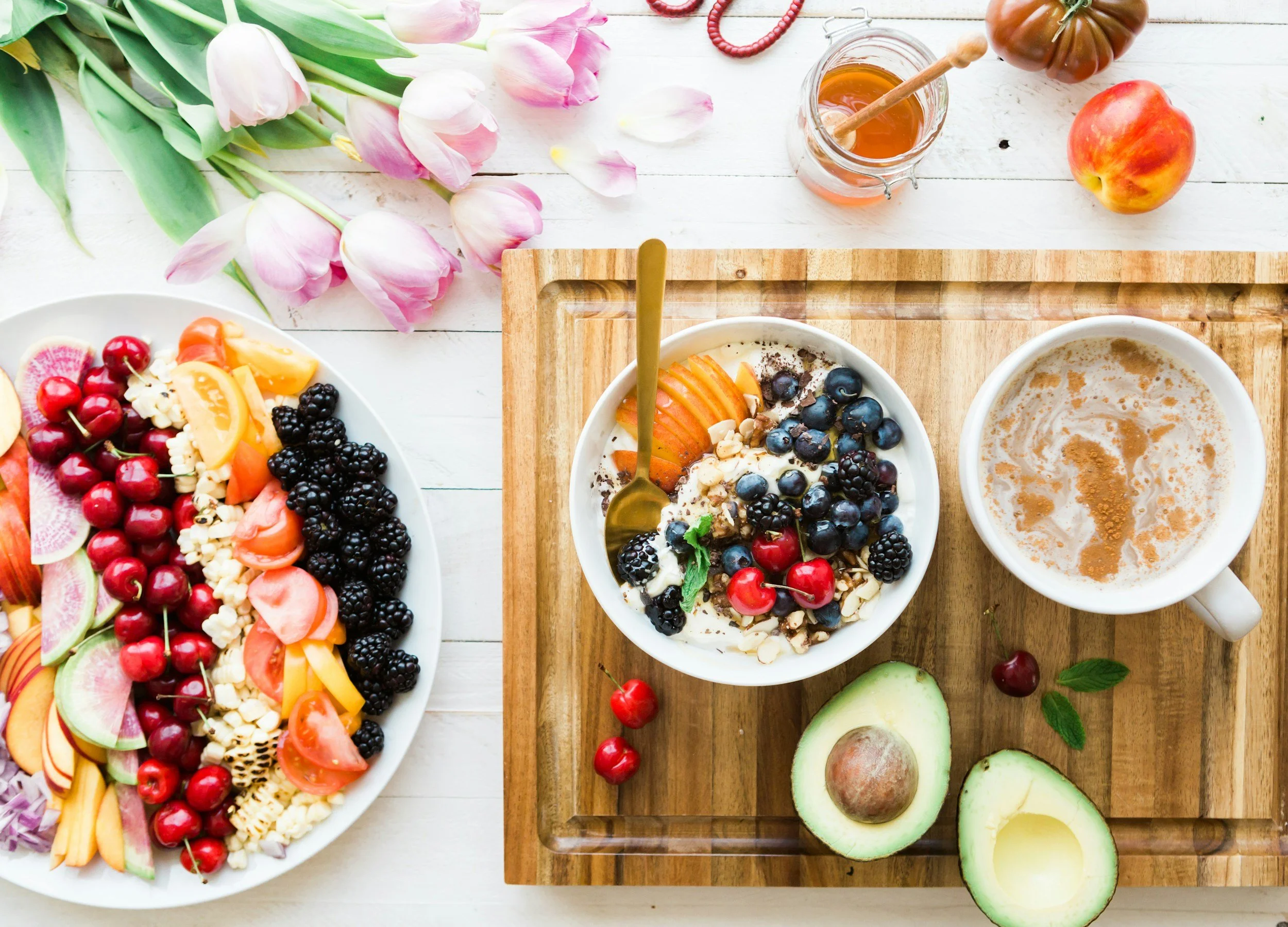
Eat - The foundation everything is built on
It goes without saying that food choices is one of the biggest factors when it comes to overall health and wellbeing so naturally this cascades into influencing fertility and hormonal health - “you really are what you eat”. It doesn’t have to be perfect and you don’t have to follow a restrictive food plan, but just by understanding a few key principles and making them work for your life can really help. Supplements can absolutely be part of the picture, though real food comes first - always. A consultation with a nutritionalist (who incorporates functional testing) can be invaluable and also worth it’s weight in gold. It cuts away all the noise and conflicting advice from books, instagram, TikTok and google, saves a fortune on random supplements and it means you get a plan built specifically for you.
A word on blood sugar — and why it matters more than you might think - When blood sugar spikes, usually from sugary foods or too many carbs without protein, the body pumps out insulin to bring it back down. Then, when insulin levels drop too fast, it releases cortisol (your stress hormone) to compensate. Here's the thing: both insulin and cortisol can cause chaos and directly interfere with ovulation messing with your cycle. Keeping blood sugar steady is genuinely one of the most powerful things you can do.
Some simple starting points:
Get a protein source into every meal - especially breakfast. It sets your blood sugar up well for the whole day.
Don't fear fat - your body actually needs it to make hormones. Think nuts, seeds, avocado, butter, ghee, oily fish.
Notice how you feel - your body is always communicating - energy crashes, afternoon slumps and brain fog are classic signs that blood sugar levels may be on a bit of a rollercoaster. Eating in a way that keeps those levels steady can make a big difference to how you feel day to day.
If supplements feel overwhelming, consider getting tested first - that way you know exactly what you actually need.

SLEEP - Your body’s reset and repair time
When it comes to hormonal regulation sleep is a massive superpower. We all know we feel terrible after a bad night - groggy, snappy, unable to concentrate - yet what's happening hormonally can run even deeper than that.
Poor or disrupted sleep throws cortisol and insulin out of balance (yip, those two again), which in turn can interfere directly with ovulation and egg quality. Quality sleep is genuinely your body's chance to press pause, repair and reset. It's not a luxury - it's foundational.
The melatonin piece - Melatonin is the hormone that helps you drift off and stay asleep, and it naturally starts to rise in the evening. It's also, and this is the bit that often surprises people, directly involved in egg quality and development, which makes good sleep about so much more than just feeling rested. Bright screens, working late and blue light can all suppress melatonin by tricking the brain into thinking it's still daytime, so winding down properly in the evening really does matter.
Small things that genuinely help:
Try to wind down in the hour before bed - a bath, some light stretching, a book.
Screens off (or at least dimmed) before bed if you can manage it.
A cool, dark room makes a real difference to sleep quality
Keeping a consistent sleep and wake time - even on weekends - helps anchor your body clock more than almost anything else
Mind - Calm the system, support the cycle
Let's talk about stress. Before you roll your eyes - I know, this isn't about telling you to "just relax." That's not helpful and it's not what this is.
Here's the thing - your body's stress response is actually brilliant. It floods the system with cortisol so you can react fast to danger, and it's designed to save your life. The issue is that in modern life now, that switch barely ever gets turned back off. Between work, life admin, emails, caring responsibilities, and the pressure to hold it all together - most of us are bubbling along in a low-level state of stress almost all the time.
From a fertility standpoint, when your body thinks it's in survival mode, making babies is genuinely not its priority. It wants to get you out of danger first. On top of that, all that cortisol bubbling away in the background also plays havoc with the very hormones that regulate your cycle and support ovulation.
We can't eliminate stress - we're not trying to. What we can do is build our resilience to it, little by little.
Practical, boring-but-brilliant stuff:
Online shops, batch cooking, building little routines - anything that reduces daily friction and decision fatigue.
Getting clear on what you can actually influence (and releasing the rest).
Firming up some boundaries - easier said than done, I know but so worth it.
The nervous system reset stuff:
Breathwork, yoga, pilates, meditation, Qigong - all brilliant for genuinely rebalancing your nervous system, not just taking the edge off.
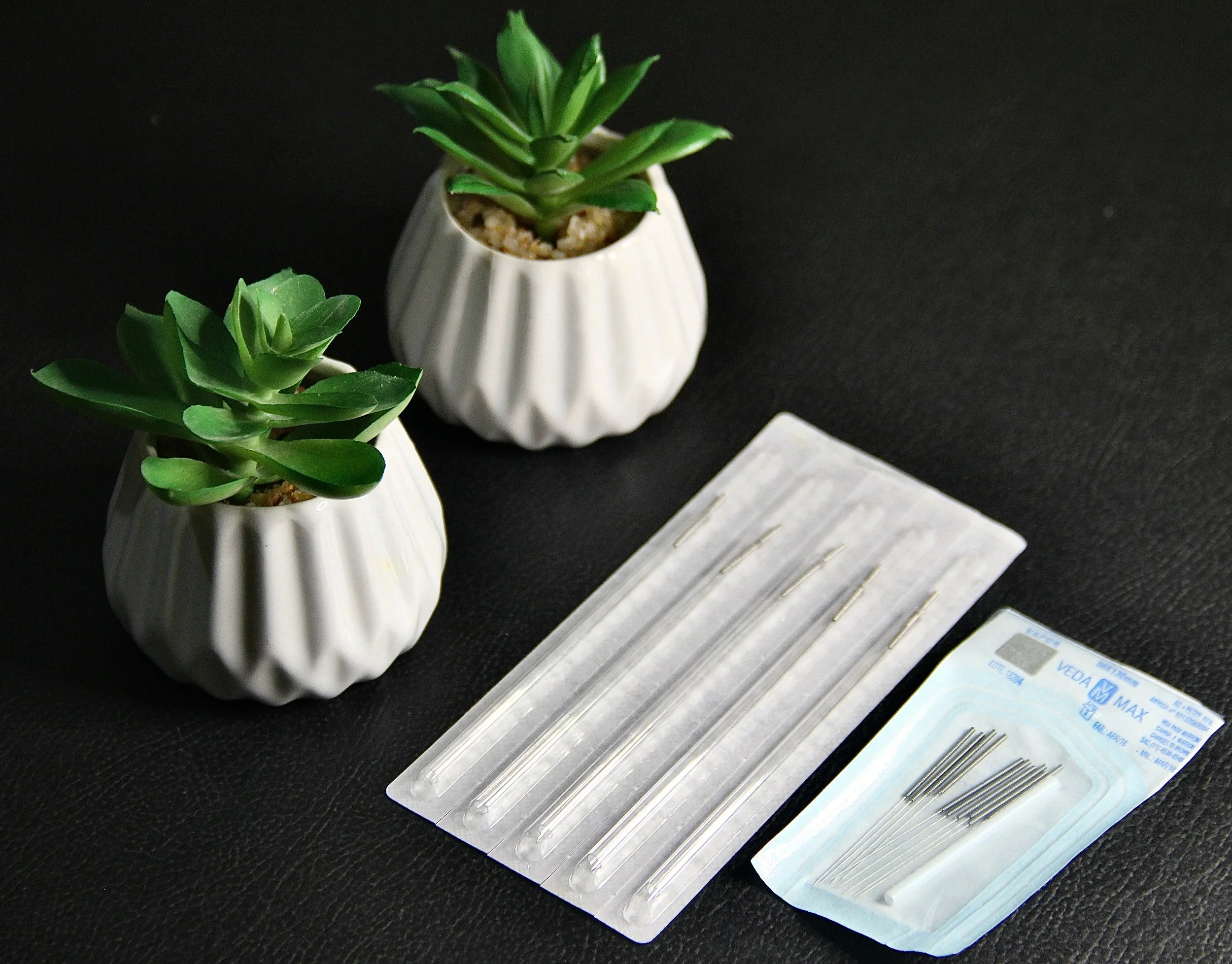
Acupuncture - I might be biased, but it's genuinely one of the most effective things for getting your body to properly switch off.
Time outside, creative things, movement you enjoy - whatever fills your cup.
Your people matter - and this one I feel really strongly about. If you're in the thick of a fertility journey, it can be physically and emotionally exhausting in a way that's hard to put into words. Surround yourself with the people who get it, who you can be honest with, and who lift you up. That community is not a small thing.
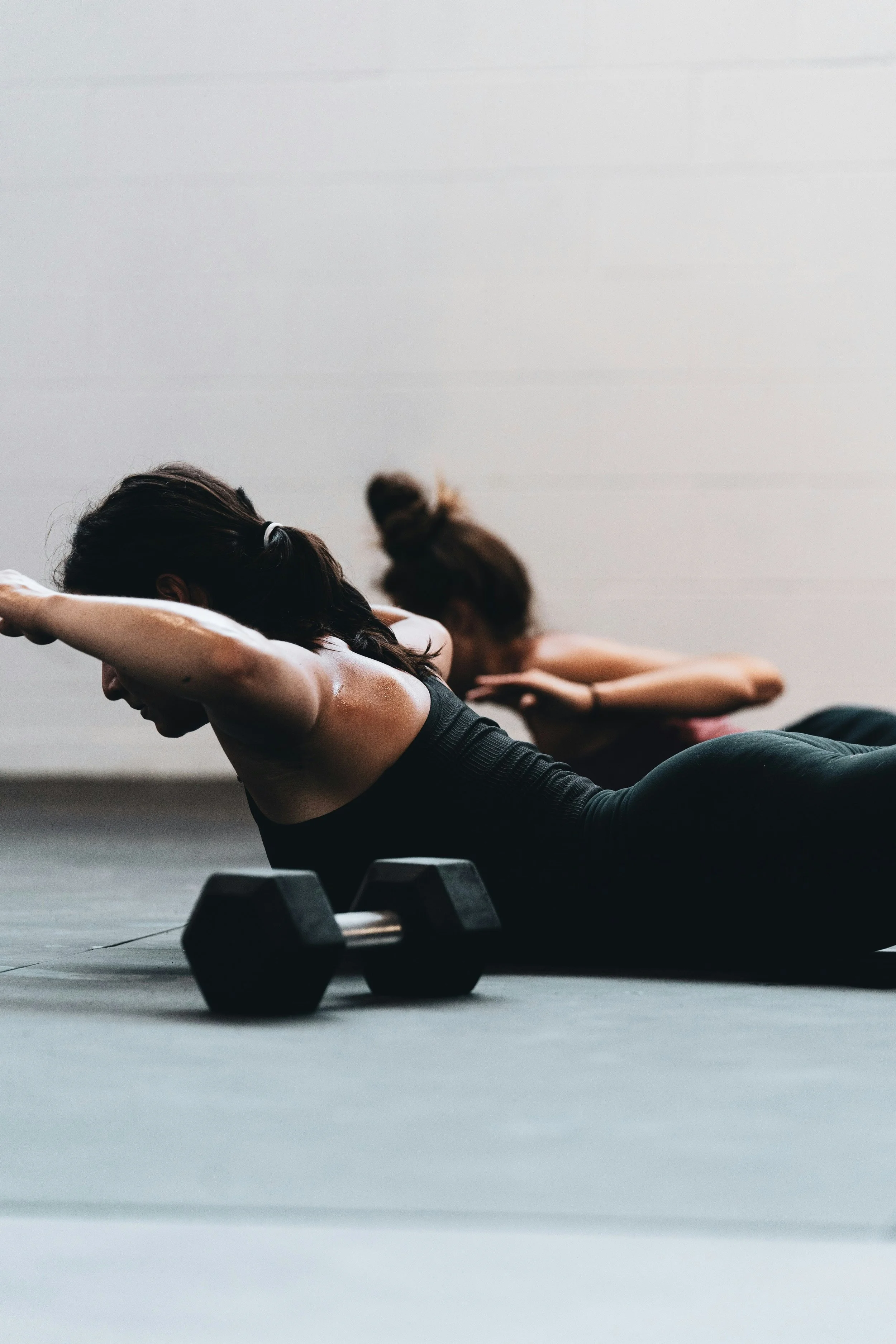
MOVE - to work with your hormones, not against them
Movement is wonderful for so many reasons - heart health, mental health, stress relief - for fertility specifically, one of the biggest benefits is its impact on insulin regulation. Too much insulin (which is really common, especially with PCOS/PMOS) can block egg maturation and actually stop ovulation. Regular, consistent movement helps keep this in check.
What kind of movement? Honestly, the kind you'll actually do. Walking, running, swimming, cycling, gym, HIIT, yoga, pilates - it all counts. There's no single 'right' answer here. The key is that it's consistent and that you enjoy it (or at least a little bit).
More isn't always better, though - and this is really important. Lots of very intense exercise, especially if you're not eating enough to fuel it, can actually push your body into that fight-or-flight state we talked about in the Mind pillar. The same stress hormones, the same hormonal disruption.
How much is too much?? As a very rough guide- listen to your body - do you feel energised or exhausted after your exercise session..? Your body will tell you if you listen.

Environmental Toxins
A little bit about Endocrine-disrupting chemicals (EDC) as they weave into this too- things like BPA and pesticides, are genuinely everywhere now, and many of them can mimic or interfere with your natural hormones like oestrogen and progesterone. The good news is there are some really easy swaps that can help to limit the amount of exposure the body has to these:
Ditch non-stick pans — stainless steel or cast iron are brilliant alternatives
Switch from plastic to glass for food containers and water bottles
Don't heat food in plastic, and don't put warm food into plastic containers
Avoid drinking from plastic bottles that have been sitting in the sun, and don't reuse them
Swap your household cleaning products for cleaner alternatives — Ecover and Method are easy to find and genuinely good.
None of this needs to happen overnight. One swap at a time is absolutely fine..

It takes two…
This is really important, so I want to say it clearly - fertility isn't just a 'female thing.' Male factor plays an equally significant role in the picture - and everything in those four pillars above (Eat, Sleep, Mind, Move) applies just as much to partners.
Research shows that sperm levels in the Western world have plummeted over the past 40 years. What counts as 'normal' today would have been considered low not that long ago. On top of this male factor issues can be underlying in up to 50% of fertility cases, and one basic semen test doesn’t always provide the full picture. Lifestyle and environment are both major factors — and the same changes that support female fertility support male fertility too.
Looking for help or support?
Any small, realistic change you can make - in even just one of these areas - will have a positive impact. You don't need to do everything at once, you don't need to be perfect, and you definitely don't need more pressure on your plate. Even a few modest, sustainable shifts are so much more valuable than going all-in for a week and burning out.
If you're reading this and wondering why things are taking longer than you expected, or you'd like to really prepare your body and your cycle, whether for natural conception or IVF, I'd love to help you make sense of it all. We can look at your specific situation, dig deeper and piece together your hormone jigsaw to build a realistic plan that works for your life. If you would like to find out more about ways we could work together please do get in touch.