The Mighty Mitochondria
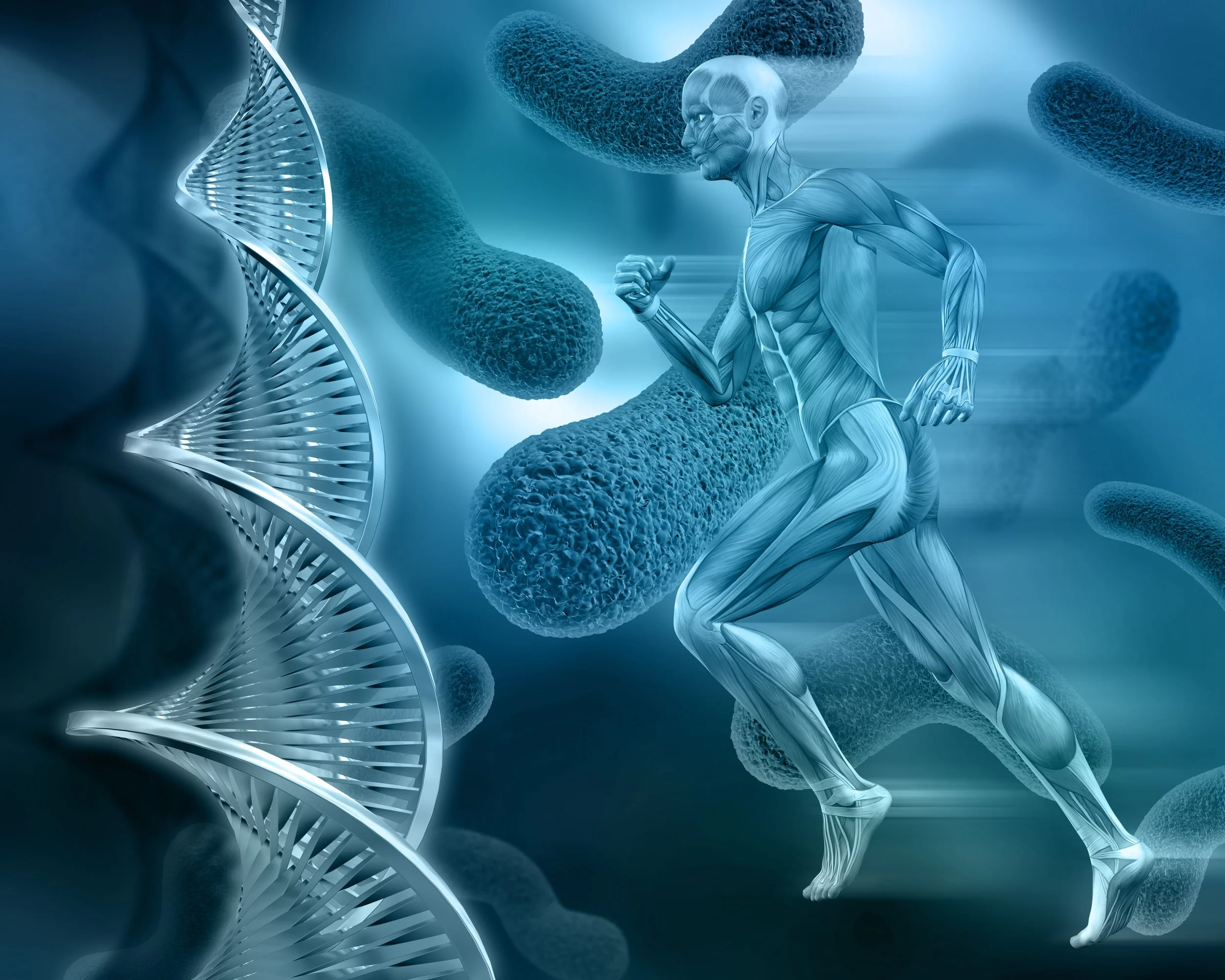
What Are the MITOCHONDRIA and why are these tiny powerhouses so special..
You might remember mitochondria from a biology lesson at school, I certainly do, though I had absolutely no idea back then just how much they influence how we feel every single day. So let me give you the version your teacher probably didn't.
Mitochondria are tiny structures living inside every single cell in your body. They're often called the cell's powerhouse, and that's a pretty good description because their main job is converting the food you eat into the energy your cells need to actually function. But that's not all they do. They also act a bit like a built-in quality control system, triggering the self-destruction of cells that have become too old or damaged. Quietly keeping things in order behind the scenes.
Pretty impressive for something you can only see under a microscope.
Impressive, I know! but whats the big deal about them?
Here's the thing, these are increasingly being recognised as key players in something much bigger- inflammation. It is this that makes these small but mighty mitochondria so special, because as you may have heard, inflammation is considered the root cause behind so many of the health conditions we're seeing more and more of today.
Your mitochondria aren't just processing energy, they're also having to manage the effects of everything life throws at you. Poor sleep, daily stress, a diet low in nutrients or antioxidants, too many inflammatory foods, environmental toxins, low gut microbiome diversity, all of these actively generate oxidative stress in the body, and that is genuinely damaging at a cellular level.
Over time, as this load builds, it creates a mismatch between the way we're living and your body's ability to keep up at a cellular level. And that's when things start to show up, in your energy, your hormones, your skin, your cycles, your fertility.
The link between oxidative stress and mitochondrial function has been shown to be hugely significant across a wide range of conditions - ovarian health, hormonal imbalance, thyroid issues, PMOS/PCOS, endometriosis, fertility challenges, recurrent miscarriage, and even skin and hair health. If any of those feel relevant to you, your mitochondria are absolutely worth paying attention to.
Some Mitochondrial Facts..
Mitochondria need proper nutrients to function well or else their performance can very quickly plummet.
They are vulnerable and can be damaged by environmental toxins. (More below)
They don’t just regulate hormone function, they are also influenced by hormones - particularly thyroid hormones (T3). If you have hypothyroidism there is a good chance that your mitochondria may have slowed down alongside it.
Some easy ways to work towards revitalising your mitochondria..
✨Eat Well - It Really Is the Foundation
The single most effective way to reduce oxidative stress and support mitochondrial function is through the quality of what you eat. A Mediterranean-style diet has been shown to tick a lot of boxes here — think an abundance of colourful fruit and vegetables, good quality nuts, seeds, and oils. The more colour on your plate, the better.
✨Ditch the Plastic
When plastic heats up - think plastic bottles left in a warm car, or food heated in plastic containers - it releases toxins directly into what you're eating and drinking. Swapping to glass where you can is a simple but meaningful change. The same goes for non-stick cookware, which can off-gas harmful chemicals when heated. Stainless steel, enamel, or cast iron are all much better options.
✨Move Your Body - Just Don't Overdo It
Research shows that moderate, regular exercise is one of the best ways to stimulate mitochondrial growth, improve insulin sensitivity, build muscle tone, and slow cellular ageing. Any movement counts — but it's worth knowing that over exercising has actually been shown to have the opposite effect. So more is not always best.
Acupuncture and Your Mitochondria - More Connected Than You'd Think
This is where it gets really interesting, and honestly it's one of the reasons I love what I do.
Research is showing that acupuncture can directly support mitochondrial function and help reduce oxidative stress in the body, which means it's working at a genuinely cellular level, not just on symptoms.
From a Chinese Medicine perspective, this makes a lot of sense. When we place needles at specific acupuncture points, we're influencing the flow of Qi and Blood through the body - removing stagnation, improving circulation, and bringing the nervous system out of a stress response and into a state of rest and repair. And it's in that state - parasympathetic, calm, regulated - that your cells, including your mitochondria, can actually do their best work.
For women dealing with hormonal imbalances, PMOS/PCOS, thyroid issues, fertility challenges, or exhaustion that goes bone deep, this intertwining of ancient medicine and modern cellular science is exciting. Because what Chinese Medicine has always called ‘nourishing Qi and Blood and clearing heat and stagnation’ maps surprisingly well onto what we now understand about reducing oxidative stress and supporting cellular energy production.
In practical terms, regular acupuncture sessions can support your mitochondria by helping regulate the stress response (because chronic stress is one of the biggest drivers of oxidative stress), improving blood flow and oxygen delivery to tissues and organs, supporting hormonal regulation, and giving your nervous system consistent opportunities to reset. Over time, that adds up to real, felt change - better energy, more stable hormones, clearer thinking, and a body that feels like it's working with you rather than against you.
If you're curious about whether acupuncture could support your specific health goals, I'd love to have that conversation - feel free to get in touch.
‘Taking care of your mitochondria isn't complicated — it's really just about giving your body less of what depletes it and more of what it needs to thrive. Small, consistent changes at a cellular level have a way of rippling outward into everything.’