Body Whispers: What your Sleep might be telling you
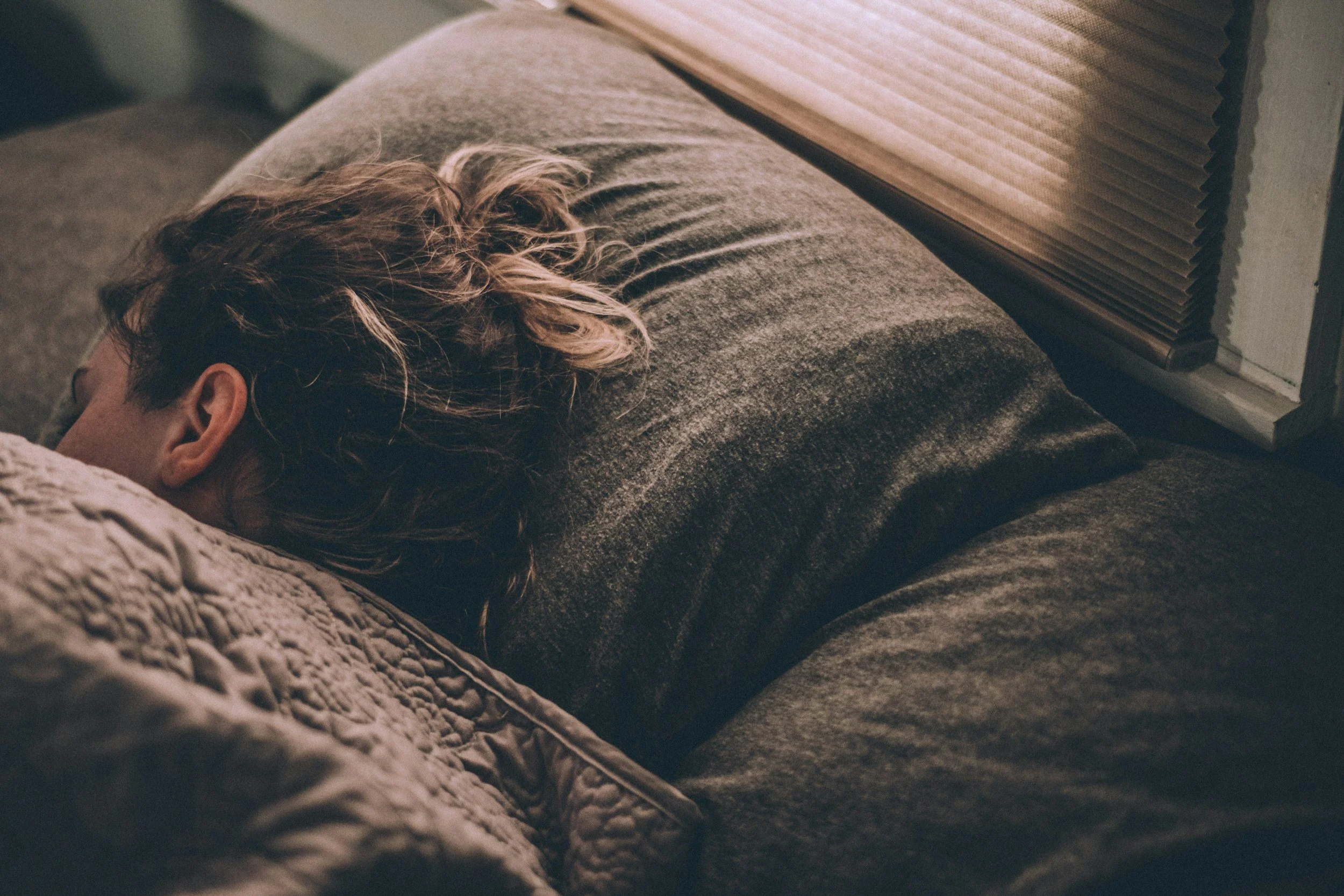
Body Whispers, the everyday symptoms so many of us quietly put up with. It's worth knowing that your body tends to whisper before it starts shouting. The little signals that are easy to wave away, or explain away by being busy or getting older, can often be worth listening to before they build into something louder.
Sleep is something I've been treating a lot in clinic recently, or rather, the lack of it. The 2am ceiling stare. The wide awake at 3am for no obvious reason. The exhausted but somehow wired feeling that means you never feel rested.
Sleep: what is your body trying to tell you?
Poor sleep is one of those things that's really easy to normalise. Everyone's tired, everyone's a bit wired in the evenings, everyone scrolls their phone in bed. But sleep isn't just downtime. It's when your body repairs tissue, regulates hormones and processes the day, and when that process is disrupted night after night, it can show up everywhere else too, in your mood, your energy, your appetite, even your cycle if you're someone who tracks it.
Insomnia isn't one thing. Some people struggle to switch off and fall asleep in the first place. Others fall asleep fine and then wake at 2 or 3am, mind racing. Others sleep through but wake unrefreshed. Each pattern tends to point somewhere slightly different.
When you're waking up matters
Can't fall asleep, mind won't quiet down: usually Liver Qi stagnation, the same pattern behind a lot of stress-related tension. The Liver is thought to store Blood at night, and a backlog of unprocessed stress gets in the way of that settling down.
Wide awake at 1 to 3am: this window sits in the Liver's time on the traditional Chinese medicine organ clock, and waking consistently here often points to Liver Blood or Yin running low, sometimes alongside a Heart that isn't being nourished, often described as Shen, or spirit, disturbance.
Hot, restless or sweaty waking: particularly if it's a newer pattern, this can point to Yin deficiency, sometimes called empty heat. Very common perimenopausally, but it's not limited to that life stage.
Early waking, around 4 to 5am, that won't settle again: sometimes linked to Lung time on the organ clock, and can show up alongside low mood or unprocessed grief.
Sleeping through but waking unrefreshed. Time asleep isn't the whole picture. Sleep moves through cycles of light, deep and REM sleep, and it's the deeper stages that do most of the actual repair work. It's possible to be technically asleep for eight hours and still barely dip into those deeper stages, which is why you can wake up having "slept through" and still feel like the night didn't do its job. In Chinese medicine, this pattern without an obvious cause often points to Qi deficiency, the body not being properly replenished overnight even when it's technically resting.
What can be keeping you up
Blood sugar. A dip in blood sugar overnight is a genuinely common, and often overlooked, cause of 2 or 3am waking. If you're going to bed on an empty stomach, skipping dinner, or eating dinner very early and then not eating again until morning, your body may be waking you up to tell you it's running low. A small protein and fat containing snack before bed, like a few nuts or natural yoghurt, is worth trying if this sounds familiar.
Screens and light. This one's not new information, but it bears repeating. Melatonin is the hormone that actually tells your body it's time to sleep, and its release is triggered by falling darkness. Bright light and screens in the couple of hours before bed keep melatonin suppressed, holding off the "go to sleep" signal, so your body stays in daytime mode well past when you wanted to switch off. Dimming lights and stepping away from screens even 20 to 30 minutes before bed can make a genuine difference with this .
An overactive nervous system. This is the one I see most often. Your body has a stress response system, the HPA axis, that's meant to raise cortisol in the morning to help you get going and let it drop in the evening so you can wind down. When stress is chronic, that rhythm gets thrown off, cortisol stays higher for longer into the evening, and you end up wired but exhausted, tired in the body but alert in the mind. Actually processing stress during the day, rather than letting it all surface the moment your head hits the pillow, matters more for sleep than almost anything else on this list.
Caffeine and alcohol. Caffeine has a longer half-life than most people assume, so that 3pm coffee may still be in your system come bedtime. Alcohol can help you fall asleep faster but tends to disrupt sleep in the second half of the night, which is part of why a nightcap so often leads to a 3am waking rather than a full night's sleep.
You don't need to fix everything at once. Picking the one that sounds most like you and working on that first is usually more sustainable than overhauling everything in one go.
Menopause and sleep
I see this constantly in clinic, and if this is you, you are absolutely not alone. Falling oestrogen and progesterone during perimenopause and menopause directly disrupt sleep, not just through night sweats and hot flushes waking you up, but through their knock-on effect on the nervous system, making sleep lighter and more broken even on nights without an obvious flush. Melatonin production also naturally declines with age, which is part of why sleep can feel different in your 40s and 50s even when nothing else has obviously changed. In Chinese medicine, this stage is classically understood as a Yin deficiency picture: the body's cooling, moistening, calming resource running low. That ties back to the Shen framework above, since it's the cooling, holding quality of Yin and Blood that anchors the Shen at night, and menopause is essentially that resource wearing thinner. It lines up closely with the hot, restless, 1 to 3am waking pattern above. It's one of the most common patterns I treat, and often responds well when acupuncture is paired with the blood sugar, light and stress groundwork covered above.
Acupuncture and sleep: what the evidence says
Those of you who know me will know I like evidence. To be honest, for sleep it's mixed rather than conclusive, so here's my honest take rather than a sales pitch. A Cochrane review into this initially found that trial quality was too inconsistent to draw firm conclusions, but a more recent 2020 meta-analysis found acupuncture beat sham treatment on sleep quality and time to fall asleep. A fresh Cochrane review is currently underway to bring the evidence up to date. What do I see in clinic? Many of my patients report that they often sleep much better after their acupuncture sessions, and find that acupuncture works most effectively when integrated alongside the blood sugar, light, stress and caffeine groundwork mentioned above.
Ready to look into yours?
If sleep is something you're struggling with, it's worth mentioning at your next session, along with when in the night it tends to go wrong and what your evenings actually look like beforehand. That detail is usually where to focus any treatment and offer hints towards the most useful tweaks to make.